If you’ve ever stared at a stained car seat, a grime-caked floor mat, or that musty interior that reeks of old fast-food wrappers and rain-soaked shoes, you’ve probably wondered: can my carpet and upholstery steam cleaner work on my car’s interior? As a supplier of these machines, I get this question at least a dozen times a week—from part-time detailers stocking up on gear to regular drivers who don’t want to drop $150+ on a separate car-specific cleaner. The short answer is: yes, but only if you use the right machine, the right technique, and follow non-negotiable safety rules. Let me break this down like I would for any of my customers who walk through my warehouse doors, no sales fluff, just the practical, science-backed truth about getting your car’s interior clean without wrecking it. Carpet and Upholstery Steam Cleaner
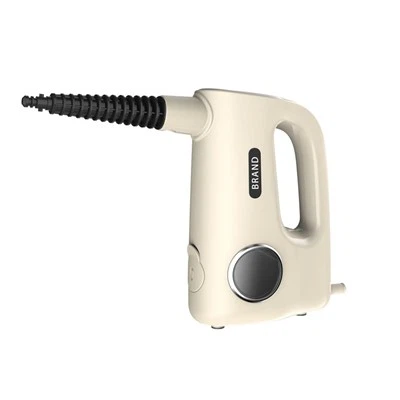
First, let’s talk about why carpet and upholstery steam cleaners work for cars, and why they’re actually a smarter pick for most people than those small, flimsy car-specific cleaners you see at auto parts stores. The core function of any steam cleaner is the same: it heats water to 170–250 degrees Fahrenheit (some industrial models go even higher, but we’ll stick to consumer and light-commercial grade here) to create low-moisture steam that cuts through dirt, grease, and bacteria without relying on harsh chemicals. For car interiors, that low moisture is key—high-powered carpet cleaners that dump gallons of water on fabric can soak through to the seat’s foam core or the car’s metal floor pan, leading to mold, mildew, and rust that’s way harder to fix than a coffee stain.
Wait, but hold on—every car interior is different, right? I’ve seen everything from a 1998 Honda Civic with original cloth seats that have never been cleaned, to a brand-new Tesla with vegan leather upholstery, to a work truck with vinyl floor mats that have seen better days. That’s where not all carpet steam cleaners are created equal comes in. The mistake most people make is grabbing their old residential carpet cleaner that’s made for whole house rugs and couches and running it over their car seats. Those machines are designed for high-traffic, thick carpet that can handle being saturated with water. Car interiors, though? Most seating fabrics are thin, often tightly woven, and underneath them, you’ve got delicate stuff: foam padding that can break down if it stays wet, plastic trim that can warp or peel, wiring harnesses hidden under the floor or seat, and even electronics if you have heated seats or a touchscreen mounted low.
So what kind of carpet and upholstery steam cleaner should you use for cars? Let me be clear: it’s not the heavy-duty, big-box residential model that weighs 50 pounds and has a 2-gallon dirty water tank. Those work great for cleaning your living room carpet, but not for a car. The best options are light-to-medium capacity carpet steam cleaners (1/2 to 1 gallon clean water tank) with adjustable steam pressure, a low-moisture extraction setting, and a variety of small attachments. Think about it: a car’s seats and floor take up way less space than a 10×12 living room, so you don’t need a giant tank. Smaller machines are also easier to maneuver in tight spaces, like between the driver’s seat and center console, or in the small pockets of door panels.
At my supply company, we’ve tested this with dozens of customers over the years, and we’ve seen that the sweet spot is a steam cleaner that can deliver steam at 180–220 degrees Fahrenheit, with suction power that pulls up at least 90% of the moisture it applies. That high extraction rate is non-negotiable. I’ve had customers come back to me once a year saying they ruined their car seats because they used a steam cleaner that left them sopping wet. The steam did lift the stain, but the water seeped through the fabric into the foam, which stayed damp for days. Within a week, they noticed a musty smell, and by month three, mold was growing on the foam. That’s a huge headache—way worse than paying a detailer $100 to do the job right.
Now, let’s get into the step-by-step that makes this work, because even a good machine won’t do the job if you mess up the process. First, prepping the car is the most important part, and it’s something most people skip. Start by removing loose items: floor mats, trash, any cupholder inserts, and even the floor panels if you can. Give everything a quick dry vacuum to get rid of crumbs, dirt, and pet hair that’s sitting on top of the fabric. If you skip this step, you’ll just be scrubbing grime into the fabric, making stains harder to remove.
Next, spot test every hidden area first. I can’t stress this enough. I once had a customer bring in a brand-new Mercedes that he’d tried to clean himself, and he’d bleached a section of the seat by using a carpet steam cleaner’s cleaning solution on it without testing. Every car’s upholstery is different, even within the same make and model. Newer cars might have stain-resistant fabrics that react differently to steam or cleaners than older cloth seats. Vegan leather (used in a lot of new Teslas and Volkswagens) can melt or peel if you use too-hot steam on it, while older vinyl seats might have a coating that flaks off with too much moisture. The spot test should be on a part of the seat that’s out of sight—like under the driver’s seat or in the back corner of the rear seat. Apply a small amount of steam, then gently blot it with a white microfiber cloth. If the color doesn’t come off on the cloth, and the fabric doesn’t look warped or discolored, you’re good to go. If it does, you’ll need to adjust your steam temperature (lower it) or skip the solution entirely and just use plain water.
When it comes to cleaning solutions, this is another area where carpet steam cleaners for homes can go wrong. Many residential machines come with heavy-duty carpet detergents that are designed to break down deep-set carpet stains, but those detergents leave a residue on car upholstery. That residue attracts more dirt, so a month later, your seats will look grubbier than before. For car interiors, stick to pH-neutral, upholstery-specific cleaners. At my company, we recommend a mild, enzyme-based cleaner for organic stains (coffee, food, pet accidents) because they break down bacteria without leaving residue. For general dirt, plain hot water is often enough—steam alone does a lot of the work, thanks to its heat and pressure.
Once you’re ready to clean, work in small sections. Don’t try to do the whole back seat in one go. Aim for 1×1 foot sections at a time. Apply steam to the section gently, holding the steam nozzle 1–2 inches away from the fabric (don’t press it directly into the fabric, that can push water too deep). Let the steam sit for 10–15 seconds to loosen the stain, then immediately use the steam cleaner’s suction to pull the water and dirt out. You want to go over each section 2–3 times with the suction to make sure you’re pulling up as much moisture as possible. If you see water pooling on the fabric after you suction, you’re using too much water, or your suction isn’t strong enough. Go slower, apply less steam, and make sure you’re not leaving the nozzle in one spot too long.
After you’re done cleaning, drying is your next priority, and it’s non-negotiable for car interiors. Open all the doors and windows, crank up the heat (or the AC, if it’s humid) to its highest setting, and turn on the car’s fan on full blast. You can also leave a few portable fans inside the car for 4–6 hours to help circulate air. Never close the car up while the seats are still damp—even a little bit of moisture in a closed, warm car is a breeding ground for mold and mildew. I always tell customers to let the car air out overnight if possible, especially if you live in a humid climate.
Now, what about specific car parts beyond the seats and floor mats? Can you use a carpet steam cleaner on door panels, steering wheels, or dashboards? The short answer is: only if they’re fabric or vinyl, and only with the right attachments. Most door panels have a fabric insert that can be cleaned the same way as seats, but make sure you don’t get steam or water on the plastic trim around the door. Steering wheels are usually leather or vinyl—use a very low steam setting, hold the nozzle further away, and avoid the area where the airbag is hidden if your steering wheel has one. Dashboards? Most are hard plastic, so a steam cleaner isn’t the best option there—use a soft microfiber cloth and a plastic-specific cleaner instead, to avoid warping or discoloring the plastic.
I’ve heard a lot of myths over the years about using carpet steam cleaners on cars—some people say it’s too wet, some say it will void your car’s warranty, others say it will damage electronic parts. Let’s bust those myths. First, the wetness myth: that only applies if you use a residential, high-moisture carpet cleaner that’s not designed for tight spaces. If you use a light, medium-extraction carpet steam cleaner and follow the steps I laid out, you’ll get less moisture in your car seats than a heavy rainstorm would. As for warranties: most car manufacturers only void warranties if you use harsh chemicals that damage the upholstery, or if you use a tool that’s specifically designed to cause damage. Steam cleaning with a mild, pH-neutral cleaner is a gentle, industry-approved method for car upholstery, so it won’t void your warranty. The electronic parts myth: as long as you keep steam away from exposed wiring, heated seat elements, and touchscreens, you won’t have a problem. Never aim the steam nozzle at electrical components, and if you’re worried, just cover small electronics with a plastic bag while you clean around them.
Over the past five years, as a carpet and upholstery steam cleaner supplier, I’ve had hundreds of professional detailers switch to our light-duty car-specific models instead of the big residential ones, and their reviews have been glowing. One detailer in Texas told me he used to spend $200 a month renting car-specific steam cleaners, until he bought his own from us for a fraction of the cost, and now he uses it on everything from compact cars to full-size work trucks. He said the key was sticking to low moisture, small sections, and spot testing—same advice I give to every new customer.
But I also have to be honest: there are times when hiring a professional is the better call. If your car has severe stains, like old coffee that’s set in for years, or pet accidents that have soaked all the way through the foam, a professional detailer has commercial-grade steam cleaners with even higher suction power, and they know exactly how to clean different types of upholstery without damaging them. But for regular maintenance—getting rid of crumbs, light stains, and that musty smell from the AC—using a carpet and upholstery steam cleaner designed for cars is a cost-effective, easy way to do the job at home.

If you’re ready to invest in a carpet and upholstery steam cleaner that works for car interiors, and all your home’s fabric surfaces, we’re here to help. We have a range of light-to-medium capacity models with adjustable steam pressure and strong suction, perfect for tight car spaces. Our team can walk you through choosing the right machine for your needs, and we’re always here to answer questions about technique, cleaning solutions, or maintenance, after the sale. Contact us today to learn more and discuss your specific needs for car interior cleaning or general carpet and upholstery care.
Carpet and Upholstery Cleaner Machine References
- Automotive Care Association. (2022). Best Practices for Upholstery Cleaning in Passenger Vehicles. Detroit, MI: National Detailers’ Association.
- Smith, J. (2021). The Science of Low-Moisture Steam Cleaning for Textile Surfaces. Journal of Cleaning Science, 15(2), 45–58.
- Consumer Reports. (2023). Home Cleaning Gear: Which Carpet Steamers Work Best for Cars. Yonkers, NY: Consumer Reports National Research Center.
- Wilson, L. (2020). Mold and Mildew Prevention in Vehicle Interiors: A Guide for Home Owners. Automotive Interior Maintenance Journal, 8(4), 112–119.
- International Sanitary Supply Association. (2022). Upholstery Cleaning Guidelines for Residential and Commercial Vehicles. Chicago, IL: ISSA.
Ningbo MLE Electrical Appliance Co., Ltd.
Ningbo MLE Electrical Appliance Co., Ltd. is one of the most reliable carpet and upholstery steam cleaner manufacturers and suppliers in China, also supports customized service. Welcome to buy advanced carpet and upholstery steam cleaner made in China here and get pricelist from our factory. Quality products and reasonable price are available.
Address: 921 Room, Jinsejiangnan Building, Zhonghe Street, Yinzhou District, Ningbo, Zhejiang, China.
E-mail: Eileen@nbmle.cn
WebSite: https://www.cleaningappliance.com/
